

















Innovations in Healthcare Interior Design and Onsite Services for Healing Spaces
Explore how innovations in healthcare interior design and integrated onsite services are creating modern healing spaces that improve comfort, care, and recovery.

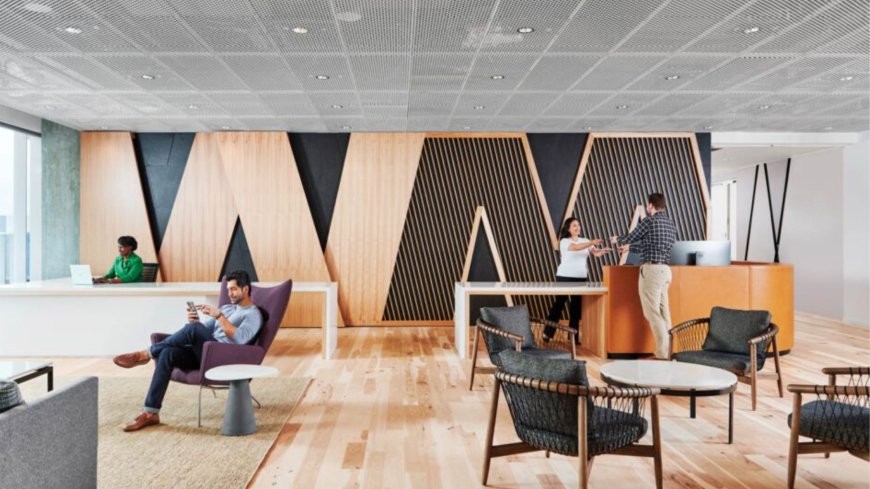
Hospitals and clinics are no longer just about treatmentthey are now also about comfort, calmness, and overall healing. A growing number of healthcare facilities are embracing design innovations that focus on the well-being of patients, staff, and visitors alike. From thoughtful layouts to integrated onsite services, the environment plays a major role in recovery and care delivery.
Healthcare interior design is evolving rapidly, aiming to make spaces more human-centered while maintaining medical efficiency. Alongside it, onsite services are being tailored to offer convenience and operational support. Together, these elements create modern healing environments that do more than treat illnessthey support holistic well-being.
The Changing Role of Healthcare Spaces
In the past, healthcare facilities were designed mainly for function. Cold, sterile environments were the norm, with little thought given to emotional comfort. Today, designers and healthcare professionals realize that physical surroundings directly affect recovery and mental health.
What Modern Patients and Providers Expect:
-
Comfortable and calming environments
-
Easy navigation with clear signage
-
Safe, hygienic, and accessible layouts
-
Technology-integrated rooms for treatment and monitoring
-
Soothing colors, textures, and lighting
Healthcare interior design now aims to deliver these features consistently, no matter the size or location of the facility.
Key Innovations in Healthcare Interior Design
Interior design in the healthcare sector has seen significant advancements in recent years. These changes are not only about appearancethey directly influence outcomes for both patients and caregivers.
1. Evidence-Based Design
Designers use scientific research to guide decisions. This approach ensures that every design elementfrom lighting to layoutpositively impacts patient health.
Examples include:
-
Natural light to reduce stress and improve sleep
-
Acoustic treatments to minimize noise and support rest
-
Private patient rooms to enhance comfort and infection control
2. Biophilic Design
Incorporating nature into healthcare interiors promotes healing. Elements such as indoor plants, water features, and natural materials connect patients with the outdoors, even inside a building.
Benefits:
-
Reduced anxiety and blood pressure
-
Faster recovery rates
-
Improved mood and satisfaction
3. Flexible Space Planning
Hospitals now design rooms that can easily adapt to different needs. One space may serve as a recovery room today and a treatment room tomorrow, depending on the demand.
Advantages:
-
Better use of available space
-
Faster response during emergencies
-
Enhanced workflow for medical staff
4. Infection-Resistant Materials
Cleanliness is critical in healthcare. Designers are now using materials that are easy to sanitize and resistant to bacteria.
Common innovations include:
-
Antimicrobial surface coatings
-
Seamless flooring to reduce dirt buildup
-
Touchless fixtures and automatic doors
These improvements enhance safety while keeping spaces visually appealing.
The Growing Importance of Onsite Services
Onsite services support healthcare operations beyond what patients see. They include everything from maintenance and sanitation to IT support and equipment management. When planned well, these services allow medical staff to focus more on patient care.
How Onsite Services Complement Interior Design:
-
Faster Facility Support: Onsite technicians address issues like lighting, HVAC, or plumbing quickly, keeping the environment functional and safe.
-
Efficient Equipment Setup: Service teams help install and maintain diagnostic machines or treatment chairs in line with the layout.
-
Real-Time IT Assistance: Integrated support ensures that medical techfrom screens to security systemsruns smoothly at all times.
-
Better Space Management: Onsite teams help rearrange or repurpose spaces when needs shift, keeping the interior design relevant.
Together, healthcare interior design and onsite services create seamless experiences that improve efficiency and satisfaction.
Case Study: A Healing Environment in Practice
Consider a modern outpatient clinic that recently underwent a full redesign. The project combined updated healthcare interior design with strategic onsite services to improve patient flow and satisfaction.
Results Achieved:
-
Patients reported lower stress due to calm lighting and comfortable seating.
-
Nurses had faster access to supplies because of better room layout and signage.
-
Onsite maintenance teams reduced equipment downtime by 40%.
-
Cleanliness ratings improved, thanks to antimicrobial finishes and hands-free doors.
This outcome highlights how design and service alignment creates a more effective care setting.
Trends Shaping the Future of Healing Spaces
As healthcare continues to advance, so do the expectations for care environments. Looking ahead, facilities are exploring new trends that bring even more value to patients and staff.
Whats Next in Healthcare Interior Design and Onsite Services?
-
Smart Room Technology: Automation and sensors to adjust lighting, climate, and alerts
-
Sustainability Integration: Eco-friendly materials and energy-efficient layouts
-
Patient-Controlled Environments: Customizable lighting, temperature, and entertainment
-
Mobile Onsite Support: Technicians equipped with tablets and mobile tools for faster service
These innovations promise to make healing environments smarter, safer, and more personal than ever before.
Final Thoughts
A well-designed healthcare facility is about more than styleits about creating a space that heals. By combining thoughtful healthcare interior design with efficient onsite services, medical spaces can become calm, efficient, and supportive environments.
Together, these elements ensure that patients feel cared for from the moment they enter. Staff work more efficiently, and the entire facility operates more smoothly. As hospitals and clinics look toward the future, this powerful partnership will continue to shape better outcomes, one healing space at a time.