














The Automotive Circle of Life: Why Selling Your Car Powers a Bigger System
Selling your old car supports more than your wallet—it helps recycle materials, boost local jobs, and improve road safety. Learn how your car powers a larger system.


Introduction:-
Every car reaches a point where it can no longer serve its owner the way it once did. The engine may fail, the body may rust, or technology may outpace its features. But that does not mean the car has no purpose left. When an owner chooses to sell an old or unwanted vehicle, they are doing more than just making spacethey are feeding a cycle that supports various parts of the automotive world. From spare parts and metal recycling to economic activity and even road safety, this cycle has a larger impact than most people realise.
What Is the Automotive Circle of Life?
The term "circle of life" is often used to describe the natural process of birth, growth, decline, and renewal. This idea also applies to vehicles. A car is built, sold, used, and eventually reaches the end of its usable life. But instead of being forgotten or dumped in a paddock, it enters a different stage where its parts, materials, and even history can serve others.
This process keeps the industry balanced. It allows new vehicles to be built using recycled materials, gives mechanics parts for repairs, and helps communities stay cleaner by removing unwanted cars from roadsides and driveways.
Breaking Down the System
Selling a vehicle sets off a chain of events that reaches far beyond one person. Here is how the system works:
1. Recycling and Material Recovery
Old cars contain a range of metals including steel, aluminium, and copper. Once a vehicle is sold and sent to wreckers, these metals are separated and processed. According to the Australian Bureau of Statistics, metal recycling plays a key role in lowering demand for raw mining. This reduces environmental damage and saves energy.
Recycling also includes fluids like engine oil, transmission fluid, and coolant. These substances can pollute soil and waterways if not handled properly. Responsible recycling ensures they are removed safely.
2. Parts Reuse
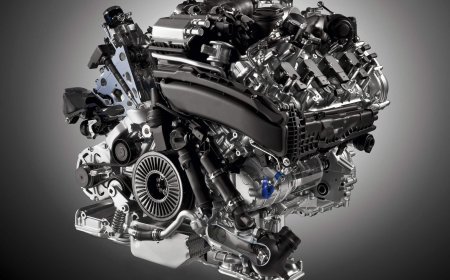
Some parts from old vehicles still have life in them. Engines, transmissions, mirrors, and tyres are often resold to those who need replacements. This keeps older vehicles on the road and gives owners cost-effective repair options. It also supports mechanics and small auto shops that rely on such parts to serve local customers.
3. Support for Other Vehicles
When a car is sold to wreckers, it may help another vehicle stay on the road. For example, someone driving an older model may struggle to find original parts. Salvaged components from sold vehicles become a lifeline for these drivers. In this way, selling a car supports the larger driving community.
Economic Value for Communities
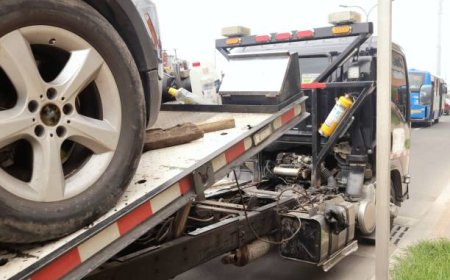
When people sell old vehicles, it creates work for towing operators, parts dealers, metal recyclers, and administration staff. According to reports from the Australian Automotive Aftermarket Association, the automotive recycling sector contributes over $1 billion annually to the economy.
Selling a car also helps reduce the cost of owning older vehicles. Instead of importing new parts or producing more metals, using what is already available keeps money flowing within the country.
Environmental Role of Selling Old Cars
Abandoned cars can leak harmful substances and take up valuable space. By selling these cars, owners support clean-up efforts and help lower waste in the environment. This action plays a small but vital role in environmental care.
Old cars also tend to release more emissions than newer models. By removing them from circulation, the air becomes slightly cleaner and roads a bit safer.
Keeping Roads Safe
Vehicles that are no longer safe to drive should not stay on the road. When these cars are sold and taken out of use, it lowers the risk of accidents. It also prevents other people from buying unsafe vehicles unknowingly.
This is part of a wider safety system. Governments inspect vehicles for safety compliance, but sellers and buyers also carry part of that duty. Selling unsafe cars for recycling or parts removes dangerous machines from daily life.
Historical and Community Use
Some cars, especially older Australian-made models, carry history with them. When these vehicles are sold, parts of them might end up in museums, learning centres, or community art projects. Seats, steering wheels, or dashboards have been used in furniture design or even classroom tools.
By selling a car, the owner opens up a range of uses they may not have imagined. The vehicle becomes more than just a machineit becomes a part of a broader cultural or educational process.
A Real-World Example That Connects It All
There are times when someone wants to sell a vehicle that may not be running but still has materials and parts that hold value. Services like top cash for cars Caboolture help with this process. These businesses often assess the car on the spot, remove it, and ensure its parts are sorted for reuse. This supports both the seller and the recycling cycle. It helps reduce waste while also supporting the local economy. More than just a transaction, it keeps the circle of life moving forward in the automotive world.
Things to Check Before Selling
To support the bigger system properly, there are a few things owners can do:
-
Remove personal items Always check under seats, in the glovebox, and in the boot.
-
Have identification ready Legal proof of ownership is required during sale.
-
Know your cars details Knowing the make, model, and condition helps get the right estimate.
-
Avoid letting the car sit too long Cars that sit for years may become harder to remove and recycle.
Conclusion
Selling a car is not just about saying goodbye to a machine. It is a way of giving back to the road, the economy, the environment, and even other drivers. Every vehicle plays a role in a larger cycle, and when owners take part in that, they help keep the system working.
From steel and rubber to memories and design, cars live on through their parts, their materials, and their stories. Selling your vehicle keeps that story going, powering a system that turns one cars end into anothers beginning.