














Explore People, Religion & Culture in West Bengal Today
Discover the rich heritage of People, Religion & Culture in West Bengal, and how it enhances every tour, travel, and trip experience across this culturally vibrant and diverse Indian state.

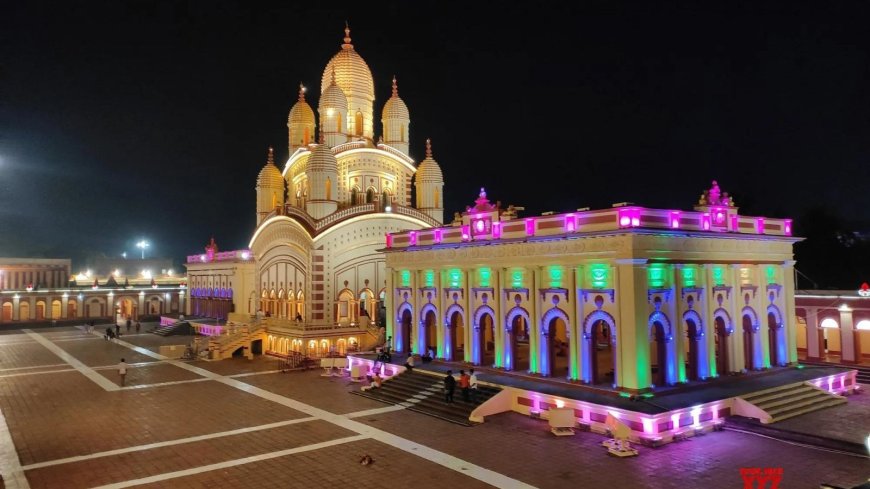
West Bengal, located in the eastern part of India, is a land of vibrant traditions, intellectual movements, and deep-rooted spirituality. The People, Religion & Culture in West Bengal reflect centuries of history, art, and a harmonious coexistence of diverse communities. This state is not just known for its iconic places and natural beauty, but also for its cultural soul which influences every walk of lifefrom festivals and food to literature, language, and lifestyle.
Understanding West Bengal means going beyond landmarks and delving into the identity of its people, the religious harmony that defines its daily life, and the cultural expressions that have earned global recognition.
The People of West Bengal: Diverse and Dynamic
The people of West Bengal, known as Bengalis, are known for their intellectual depth, artistic talent, and warm hospitality. The majority of the population speaks Bengali, which is the states official language and one of the most spoken languages in India. Bengalis have a strong sense of identity rooted in their language, literature, and shared history.
West Bengal is home to various communities beyond the ethnic Bengali population. These include tribal groups in regions like the Dooars and Jangalmahal, Anglo-Indian communities in Kolkata, Tibetan settlers in Darjeeling, and Marwari and Gujarati business families across urban areas. Each group contributes to the cultural mosaic of the state with their customs, cuisines, and celebrations.
The people are deeply engaged in political and cultural discussions, a legacy of Bengals historic involvement in Indias freedom movement and its role in shaping modern Indian thought. Education, art, and debate are not just valuedthey are a way of life.
Religion in West Bengal: A Harmonious Blend
West Bengal is a multi-religious state where different faiths coexist with mutual respect. Hinduism is the most widely followed religion, and its influence can be seen in everyday rituals, temple architecture, and especially the grand celebration of festivals like Durga Puja, Saraswati Puja, and Kali Puja. Durga Puja, in particular, is more than a religious event; it is a cultural celebration that brings entire communities together for days of artistry, devotion, and joy.
Islam is the second most followed religion, with a significant Muslim population residing across the state. Eid, Muharram, and other Islamic festivals are celebrated with equal enthusiasm, and many towns have a rich history of Sufi shrines and mosques that serve as cultural landmarks.
Christianity, Buddhism, Jainism, and Sikhism also have visible and respected presences in West Bengal. The hill regions of Darjeeling and Kalimpong, for example, have beautiful Buddhist monasteries, churches, and a peaceful spiritual atmosphere. The city of Kolkata itself reflects religious diversity, with synagogues, gurdwaras, churches, and temples standing side by sidesymbols of tolerance and harmony.
Bengali Culture: A Tapestry of Arts and Traditions
Culture in West Bengal is expressed through a wide array of mediumsliterature, music, dance, theatre, painting, and cinema. The legacy of luminaries like Rabindranath Tagore, Bankim Chandra Chattopadhyay, Satyajit Ray, and Jamini Roy continues to shape the states creative expression.
Rabindra Sangeet (songs written and composed by Tagore) forms the backbone of Bengali musical identity. Baul folk music, with its spiritual and philosophical themes, is another celebrated form. Theatre and stage performances are popular in both rural and urban settings, with Kolkata being a hub of experimental and mainstream plays.
The visual arts also thrive in the region. From Patachitra scroll paintings to modern galleries in Kolkata, art is an integral part of public life. Handicrafts such as Baluchari saris, terracotta from Bishnupur, and dokra metalwork reflect centuries of tradition and are still made by artisans using age-old techniques.
Cultural festivals like Kolkata International Film Festival, Dover Lane Music Conference, and Book Fair draw global attention, highlighting West Bengals contribution to intellectual and artistic dialogue.
Cuisine: A Delicious Cultural Marker
No exploration of people and culture is complete without experiencing local food, and Bengali cuisine offers a journey of flavors. Rice and fish are staples, but the variety extends far beyond. Dishes like shorshe ilish (hilsa fish in mustard), chingri malai curry (prawn coconut curry), and aloo posto (potatoes with poppy seeds) are beloved across generations.
Sweets form a special part of Bengali food culture. Mishti doi (sweet yogurt), rasgulla, sandesh, and chomchom are not just desserts but cultural symbols served at weddings, festivals, and celebrations.
Street food culture is equally vibrant. In Kolkata, youll find kathi rolls, phuchka (pani puri), jhalmuri (spiced puffed rice), and egg devils on every corner, making every walk a mini culinary tour.
Festivals and Celebrations: Unity in Diversity
Festivals in West Bengal are not only religious but cultural expressions that bind people together. Durga Puja, with its elaborate idols and artistic pandals, is a five-day spectacle observed with grandeur. Other Hindu festivals like Saraswati Puja and Holi are also celebrated with enthusiasm.
Muslim festivals like Eid and Muharram, Christian celebrations like Christmas and Easter, Buddhist observances such as Buddha Purnima, and tribal harvest festivals make the states calendar a vibrant sequence of joy, reflection, and unity.
These festivals are not restricted by faith; communities often participate across religious lines, showcasing the inclusiveness that defines the people of West Bengal.
Cultural Travel: Immersing in the Heritage
For anyone planning a tour of West Bengal, understanding its people and culture adds immense depth to the experience. Whether you're taking a spiritual trip to Kalimpongs monasteries, a historical travel to Murshidabads palaces, or a relaxed journey through Shantiniketans red-soil landscapes, cultural connection enhances every moment.
Interactive experiences such as staying in homestays, attending folk performances, participating in local festivals, and exploring art workshops give travelers a chance to engage with the culture rather than just observe it.
Museums like the Indian Museum in Kolkata, Gurusaday Museum, and Rabindra Bharati Museum provide deeper insights into the cultural evolution of Bengal through artifacts, manuscripts, and interactive exhibits.
Final Reflections on West Bengals Cultural Identity
The People, Religion & Culture in West Bengal are deeply intertwined, creating a society where diversity is not just tolerated but celebrated. With its rich literary heritage, musical traditions, culinary excellence, religious harmony, and creative spirit, West Bengal remains one of Indias most culturally alive regions.
Whether you are planning a first-time tour, a return trip, or a deeper cultural travel experience, West Bengal invites you to look beyond the tourist maps and connect with its people, understand its roots, and immerse yourself in its timeless cultural rhythm. It's a journey not just of places, but of soul and spirit.