
















Lifestyle Changes to Ease Restless Legs Syndrome
Learn how simple lifestyle changes and Gabapentin 300mg can help ease Restless Legs Syndrome symptoms. Discover effective sleep habits, diet tips, and daily activities to improve comfort.
What is Restless Legs Syndrome?
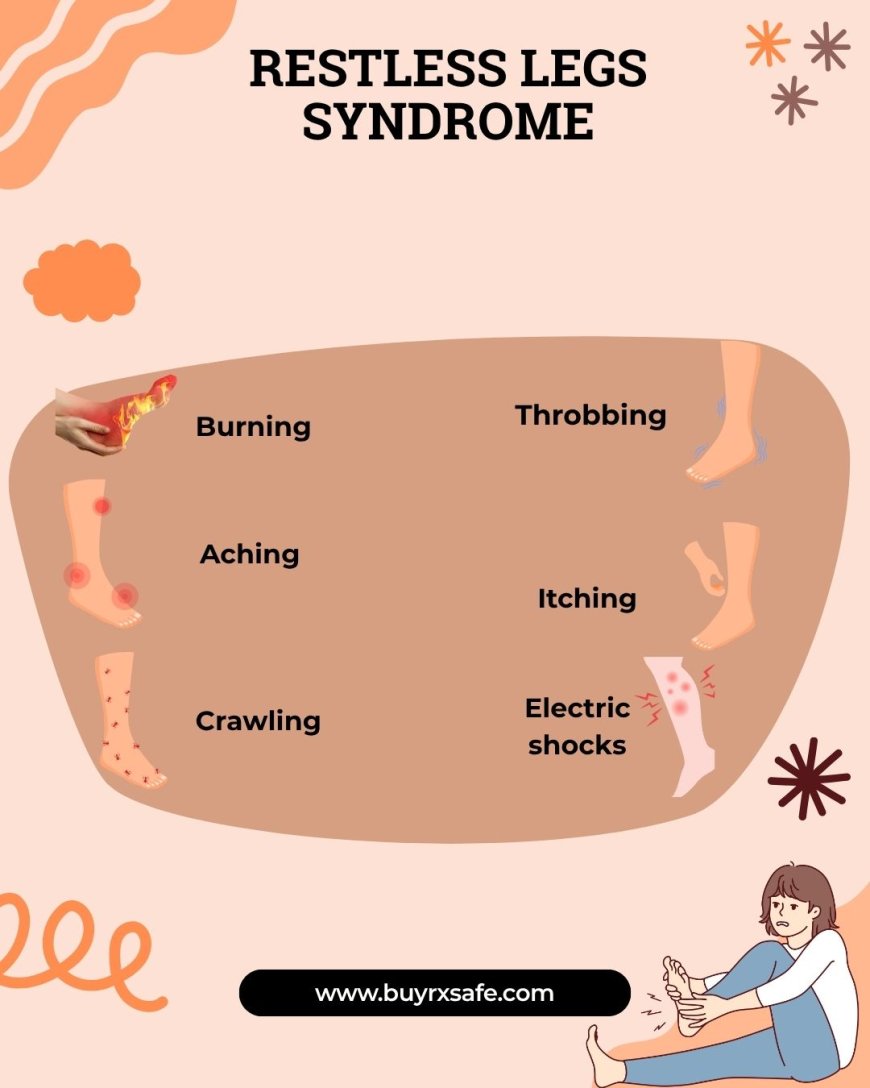
Restless Legs Syndrome (RLS) is a condition that causes an uncontrollable urge to move the legs. This urge usually happens in the evening or at night. People often describe it as a crawling, tingling, or itching feeling deep in the legs. RLS can make it hard to fall asleep or stay asleep. The symptoms get worse during rest and improve with movement.
The exact cause of RLS is not always clear. It may be linked to low iron levels, nerve damage, or changes in brain chemicals like dopamine. Some people inherit it from family members. Others get it as a side effect of another condition, such as kidney disease or diabetes. Many find it challenging to manage daily life due to poor sleep and leg discomfort.
Role of Gabapentin 300mg in RLS Relief
Gabapentin 300mg is a prescription medication that helps ease nerve-related discomfort. Its active ingredient, Gabapentin, calms overactive nerve signals in the brain and spinal cord. Doctors use it to treat seizures, nerve pain, and RLS. People with moderate to severe RLS may benefit from it if lifestyle changes alone are not enough.
Gabapentin 300mg works by increasing the amount of GABA (gamma-aminobutyric acid), a calming neurotransmitter in the brain. It helps reduce the frequency and intensity of leg movements. This medicine may also improve sleep quality by lowering nighttime symptoms. Before starting, consult a healthcare provider to determine the right dosage and timing. It is important not to stop the medication suddenly. Side effects may include dizziness or fatigue.
Improve Your Sleep Environment
Sleep plays a big role in managing RLS symptoms. A comfortable sleeping area can reduce restlessness and support better rest. Keep your room cool, quiet, and dark. Use blackout curtains or an eye mask to block light. Noise machines or calming music can help ease the mind. Avoid using screens or bright lights before bed.
Use a firm mattress and a pillow that supports your neck. Gentle leg elevation with a soft cushion can improve blood flow and reduce symptoms. Develop a bedtime routine with calming habits. A warm bath, reading, or light stretching can signal your body that it's time to rest.
Avoid Triggers That Worsen RLS
Certain habits or foods may make RLS symptoms worse. Caffeine in coffee, tea, chocolate, and soda can increase leg discomfort. Avoid these drinks late in the day. Alcohol may also disrupt sleep and should be limited. Smoking is another trigger, as nicotine can stimulate nerves and reduce blood flow.
Medications like antihistamines, antidepressants, or certain sleep aids may increase symptoms. Speak to a doctor if you suspect a medicine is affecting your legs. Keep a diary to track patterns and identify personal triggers.
Include Daily Exercise
Physical activity can reduce the frequency and intensity of RLS. Gentle exercises keep the blood flowing and the muscles relaxed. Focus on low-impact activities such as walking, swimming, or cycling. Try to move throughout the day. Standing up every hour helps if you sit a lot.
Avoid heavy workouts close to bedtime. Intense activity can stimulate the nervous system and make it harder to sleep. Stretching before bed can reduce tightness and calm the legs. Focus on calf, hamstring, and foot stretches. Yoga and tai chi are gentle movements that relax the body and mind.
Improve Iron and Nutrient Levels
Iron plays an important role in managing RLS. Many people with this condition have low iron levels. The brain uses iron to make dopamine, which helps control muscle movement. Ask your doctor to check your iron levels. If low, they may suggest iron supplements or a diet rich in iron.
Foods like lean red meat, spinach, lentils, pumpkin seeds, and fortified cereals are good choices. Vitamin C helps your body absorb iron better. Include fruits like oranges, strawberries, or bell peppers in your meals. Avoid drinking tea or coffee with meals, as they may reduce iron absorption.
Magnesium, folate, and vitamin B12 also support nerve health. Eat leafy greens, nuts, seeds, bananas, eggs, and dairy products. A balanced diet helps improve overall health and reduces symptoms.
Manage Stress and Mental Wellness
Stress can make RLS symptoms worse. The body becomes tense, and sleep becomes harder. Simple stress-relief techniques can help you feel better. Practice deep breathing, listen to calming music, or take quiet time alone. Mindfulness meditation trains the brain to focus and relax.
Cognitive behavioral therapy (CBT) helps you change negative thoughts and habits that affect your sleep. Talking to a therapist may also reduce anxiety. A calm mind helps you sleep better and manage your condition.
Stay Hydrated
Dehydration can cause muscle cramps and increase leg discomfort. Drink enough water throughout the day. Limit sugary drinks and avoid caffeine. Herbal teas like chamomile or peppermint can be calming before bed. Proper hydration helps the body and nerves work smoothly.
Massage and Warm Compresses
Gentle leg massage can relax tight muscles. Use your hands or a foam roller to apply light pressure. Some people find relief using essential oils like lavender or peppermint. Heat pads or warm towels soothe the legs and improve blood flow. Use for 15 to 20 minutes before bedtime.
Warm baths with Epsom salts are also helpful. They calm the nervous system and ease tension in the legs. Do this in the evening as part of your routine.
Compression and Circulation Aids
Wearing compression socks during the day can help improve blood flow and reduce swelling. These socks apply gentle pressure that supports veins and keeps legs from feeling heavy or restless. Talk to a healthcare provider about proper sizing.
Some people use vibrating leg massagers or foot pads that increase circulation. These tools stimulate nerve endings and may offer relief without medication.
Limit Long Sitting or Standing Periods
Sitting for long hours can worsen RLS. Change your position often. If you work at a desk, take short walks or stretch every 30 to 60 minutes. Standing desks or adjustable chairs may help.
Avoid standing for too long in one place. If your job requires standing, shift your weight between your legs or take sitting breaks. Move around during breaks to keep your legs active.
Build a Consistent Routine
Your body likes routines. Go to bed and wake up at the same time every day. Even on weekends, stick to your schedule. This helps your body form healthy sleep patterns. Eat meals at regular times and include short walks or light stretches in your day.
Daily structure helps reduce stress and keeps your body in balance. The more regular your habits are, the easier it becomes to manage symptoms.
When to See a Doctor
If lifestyle changes are not enough, consult a healthcare provider. Severe or worsening symptoms may need medical treatment. Gabapentin 300mg can be a helpful tool. Your doctor may combine this with other approaches, like iron therapy or dopamine agents.
Keep track of your symptoms and how they affect your life. Share this with your doctor to get the right treatment. Never adjust medications on your own.
Conclusion
Restless Legs Syndrome can interrupt your life, but simple changes can make a big difference. Exercise, proper sleep habits, diet, and mental health support ease symptoms. Adding Gabapentin 300mg helps manage nerve activity when natural changes aren't enough. Stay consistent, follow your treatment plan, and talk with your doctor regularly. Small steps lead to lasting relief.