
















Food Crises
Food crises arise from droughts, wars, and economic shocks, causing widespread hunger and malnutrition in affected regions.

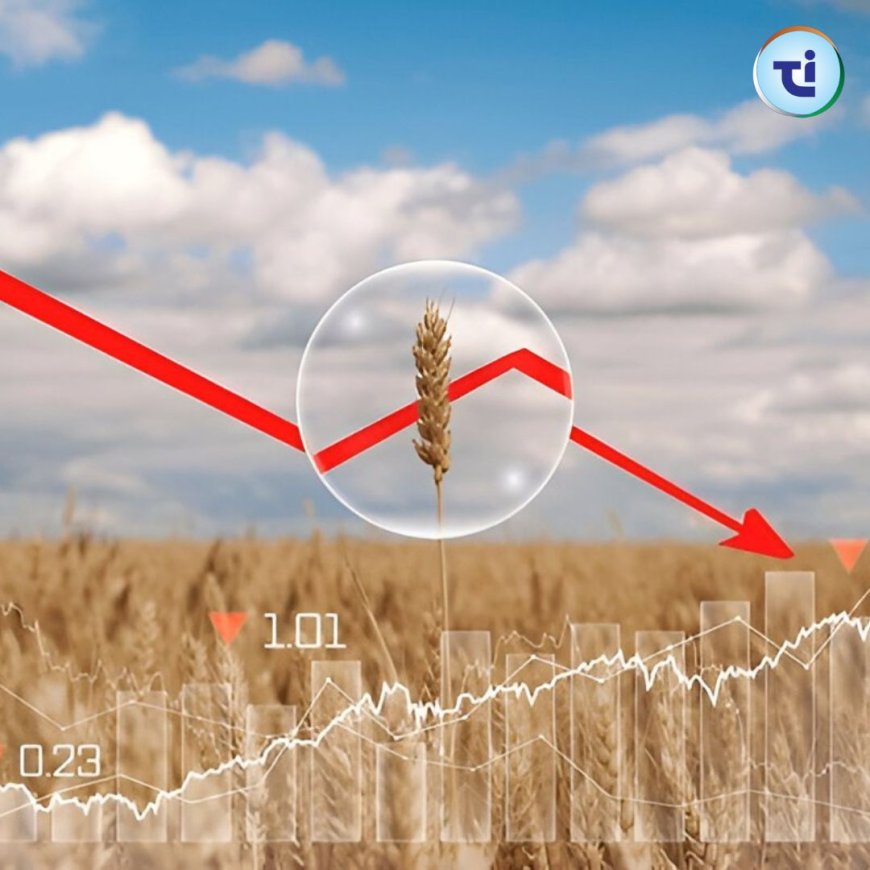
In todays interconnected world, one might assume that food is abundant and accessible to all. However, Food Crisescontinue to threaten the lives and well-being of millions of people across the globe. These crises go beyond temporary shortagesthey represent severe disruptions in food systems, often triggered by a dangerous mix of conflict, climate change, economic shocks, and policy missteps.
At their core, food crises are situations where food systems fail to deliver sufficient, nutritious, and affordable food, leading to widespread food insecurity, rising hunger, and in extreme cases, famine. Vulnerable populationsespecially children, women, the elderly, and those in conflict zonessuffer the most. Left unaddressed, food crises can spiral into long-term economic, social, and political instability.
?? Causes of Food Crises
Food crises rarely arise from a single issue. Rather, they result from interconnected causes that destabilize food production, access, and affordability.
1. Conflict
Armed conflict remains one of the leading causes of food crises worldwide. Wars displace populations, destroy farmland and infrastructure, and disrupt supply chains. In conflict zones, markets often collapse, farmers cannot plant or harvest crops, and humanitarian access is severely limited.
Examples include:
-
The war in Yemen, which has left millions at risk of famine.
-
Civil unrest in South Sudan, disrupting agriculture and food aid.
-
Conflict-affected regions in northern Nigeria facing recurring food shortages.
2. Climate Change
Extreme weather eventsdroughts, floods, cyclones, and heatwaveshave become more frequent due to climate change, placing agricultural systems under immense stress. These events reduce crop yields, kill livestock, degrade land, and displace farming communities.
For instance:
-
The Horn of Africa is enduring its worst drought in 40 years.
-
Bangladesh and Pakistan frequently suffer floods that destroy cropland and infrastructure.
-
Rising sea levels threaten coastal agricultural zones in Southeast Asia.
3. Economic Shocks
Inflation, recession, currency devaluation, and food price volatility can make basic staples unaffordable, especially for low-income populations. Economic instability, like that seen during the COVID-19 pandemic, severely impacts livelihoods, purchasing power, and food distribution.
In 20222023, many countries saw a surge in food prices due to:
-
The Ukraine-Russia war, which disrupted global grain exports.
-
Rising fuel and fertilizer costs, affecting production and transport.
-
Economic slowdowns that reduced household incomes and food access.
4. Policy Decisions
Sometimes, well-intentioned or poorly designed government policies can worsen food crises. These include:
-
Restrictive land ownership laws.
-
Overreliance on food imports or exports.
-
Withdrawal of food subsidies without proper safety nets.
-
Trade restrictions during shortages that affect global supply chains.
? Impacts of Food Crises
The consequences of food crises extend far beyond empty stomachs. They can disrupt societies, economies, and the overall stability of nations.
? 1. Increased Hunger and Malnutrition
During food crises, large segments of the population experience acute hunger. Children may suffer from stunting, wasting, and irreversible developmental delays due to inadequate nutrition. Pregnant and lactating women face heightened risks to their health and that of their infants.
? 2. Health Problems
Malnutrition weakens the immune system, making peopleespecially children and the elderlymore vulnerable to diseases. Health systems in food-insecure regions often become overwhelmed, especially when faced with disease outbreaks like cholera, measles, or malaria.
???? 3. Displacement and Migration
In search of food and livelihoods, people are forced to migrate or flee their homes, leading to overcrowded refugee camps or urban slums. This displacement can also increase social tensions and competition for resources.
? 4. Economic Instability
Food crises undermine local economies. Farmers lose income, labor markets contract, and governments struggle to finance relief efforts. Prolonged crises can erode national development gains and create long-term dependency on aid.
?? Addressing Food Crises: Solutions and Strategies
While food crises pose a complex challenge, there are several effective interventions that governments, global institutions, and communities can adopt.
? 1. Humanitarian Assistance
In immediate crisis situations, emergency food aid, clean water, medical care, and shelter are vital. Organizations like the World Food Programme (WFP) and UNICEF play a crucial role in delivering life-saving support. However, emergency responses must be coupled with longer-term solutions to prevent future crises.
?? 2. Conflict Resolution and Peacebuilding
Ending conflicts and restoring political stability are key to resolving food crises in war-torn areas. Governments and international bodies must prioritize peace negotiations, reconciliation, and rebuilding infrastructure.
? 3. Climate Change Adaptation
Building resilience to climate change involves:
-
Promoting climate-resilient agriculture (e.g., drought-tolerant crops).
-
Enhancing water conservation and irrigation systems.
-
Developing early warning systems for droughts and floods.
These measures help communities prepare for and recover from climate-induced food shocks.
? 4. Economic Development and Social Protection
Boosting local economies by investing in job creation, microfinance, and social safety nets helps reduce poverty and food insecurity. Programs like cash transfers, school feeding, and subsidized food schemes can provide crucial support.
??? 5. Strengthening Food Systems
A resilient food system ensures:
-
Efficient agricultural production and storage.
-
Robust supply chains from farm to table.
-
Investment in research and development for sustainable practices.
-
Access to financial services, markets, and infrastructure for farmers.
Indias efforts through the National Food Security Mission (NFSM) and PM-Kisan Scheme are examples of domestic approaches to address food production and access.
? 6. Policy Reforms
Sound policymaking is critical. Governments must:
-
Balance export/import regulations during shortages.
-
Reform land ownership and promote equitable access to resources.
-
Ensure targeted subsidies reach the most vulnerable.
-
Promote fair trade and responsible investment in agriculture.
? Global Food Crises: A Call for International Solidarity
In an era of globalization, food crises are no longer confined to one nation or region. Events in one part of the worldbe it war, natural disaster, or economic collapsecan ripple through global food markets. Thus, international cooperation is essential.
Organizations like FAO, IFPRI, and World Bank support countries with data, funding, and policy advice to manage and prevent food crises. Global initiatives like the Zero Hunger goal (SDG 2) remind us that ending hunger is both a moral imperative and a shared responsibility.
? Conclusion: Ending Food Crises Starts with Awareness and Action
Food crises are complex humanitarian emergencies that demand coordinated efforts across multiple sectorsagriculture, economy, environment, and governance. Whether triggered by war, weather, or weakened systems, the impact of food crises is devastating and far-reaching.
By focusing on sustainable agriculture, strong policies, peace, and climate resilience, we can move closer to a world where no one goes to bed hungry. The key lies not only in responding to crises but in building systems that prevent them from happening in the first place.